BROWNS · 2021
TL;DR
Role
Product Design Manager
OVERVIEW
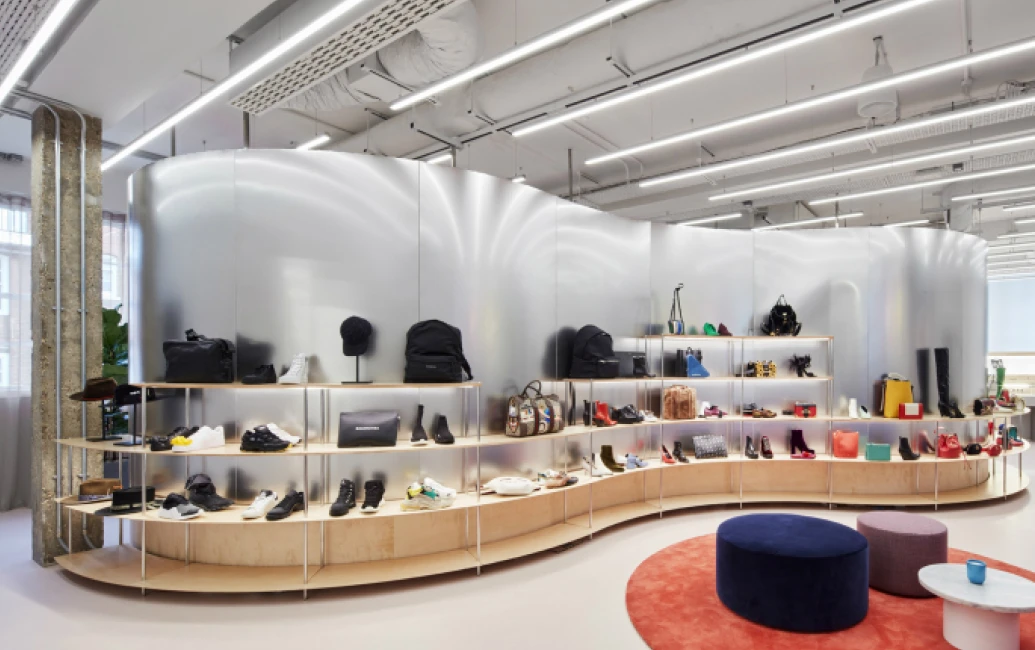
Browns is a multi-retailer luxury boutique in London. The Club was the loyalty programme for its most valuable customers and a key opportunity for growth, with its members conversion rate 8x higher than average users.
Through user research, I uncovered that most of the Club members actually did not know they belonged to the programme and many could not explain the benefits they had.
I worked with Product, VIP, and CRM peers to shape the discovery, then delegated the research and design to a Product Designer in my team. Together, we uncovered key insights which led to a full review of the loyalty program's onboarding and personalisation of the ecommerce customer journey.
IMPACT
Loyalty reminders increased add-to-bag by +55% and bag-to-checkout conversion by +30% compared with the previous period. The early results built stakeholder confidence and secured further loyalty improvements on the roadmap.
THE BACKGROUND
High-value customers, with a high potential
The Club was Browns’ loyalty programme that offered an ultimate luxury experience to its most important clients, with exclusive benefits and services.
Commercially, The Club represented a huge growth opportunity for Browns as its members converted at 8x the rate of other users.

OBJECTIVE
Understand what the current Club experience is, where it fell short, and which improvements were worth prioritising.
WHAT I DID
Uncovering key insights to define the strategy
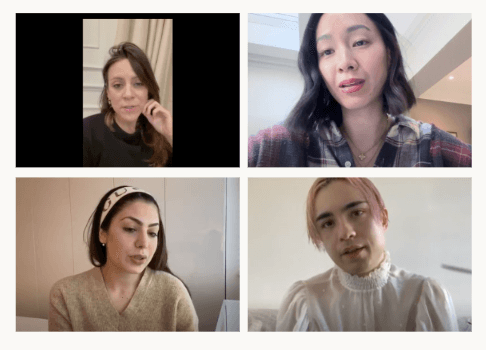
I defined the scope with the Product Manager and delegated execution to a senior product designer in my team. She started by interviewing 10 Club members about the programme, their expectations of luxury loyalty and the moments where Browns did—or did not—make them feel recognised.
Throughout the interviews, the key insights were clear: those customers were also often VIPs at our competitors, had high expectations for loyalty programs. However, the most important insight was that most of them didn't even know they were part of the Club: were 8/10 members didn't know they were part of the program and, therefore, didn't know about its benefits.
We brought these insights into stakeholder workshops, mapped pain points and goals, built an opportunity tree and prioritised ideas by customer value, business impact and effort.
THE OUTCOME
Turning an initiative to a full roadmap
From the workshop, I aligned with my leadership counterparts and Browns' executives to define a long-term roadmap addressing the key points from the research. First, I started with awareness by revamping the full onboarding journey, including CRM and an offline loyalty program. Then, decided to start with adding contextual prompts on the product page and in the bag before larger programme changes. Finally, we built an MVP "Club Hub" area on web and app which clarified the programme and its perks.
The work gave Browns a shared view of the Club experience and a clear set of priorities: increase awareness, explain the perks, improve onboarding and strengthen the service around the programme. The early reminder experiments made the value visible in the numbers. That evidence increased stakeholder confidence, helped the team secure further work for the following year and raised the profile of Product and UX within the business.

EXAMPLE
Show the perks where decisions happen
Instead of expecting customers to visit a loyalty page, we added Club perk reminders on the product page and in the bag. The messages made the value of membership visible at the moments closest to purchase and led to increases of +55% add-to-bag and +30% bag-to-checkout completion rate.

IMPACT
Creating the Club vertical
PRODUCT
Personalisation throughout the journey drove +55% add-to-bag and +30% bag-to-checkout completion rate, compared with the previous period.
ORGANISATION
The Club moved from a growth initiative to a full roadmap and dedicated product vertical.
DESIGN
This initiative led to greater visibility of the design and UXR team across Browns, putting research at the forefront of the strategy.
Reflections
DELEGATION ALSO NEEDS VISIBLE OWNERSHIP
Although my designer led the execution, some stakeholders still treated me as the main contact because I had shaped the discovery and prioritisation. In hindsight, I would have made ownership more explicit from the start and create more space for her to present the work directly.
You don't know what you don't know
This initiative was a great reminder for the whole organisation about how we don't know what we don't know, and how something as obvious as awareness of the Club was the key to unlock growth. It also gave everyone a great opportunity to get to understand our top customers better, and remind us that they have very specific needs and expectations which are different from our average users.